BOLIVIA
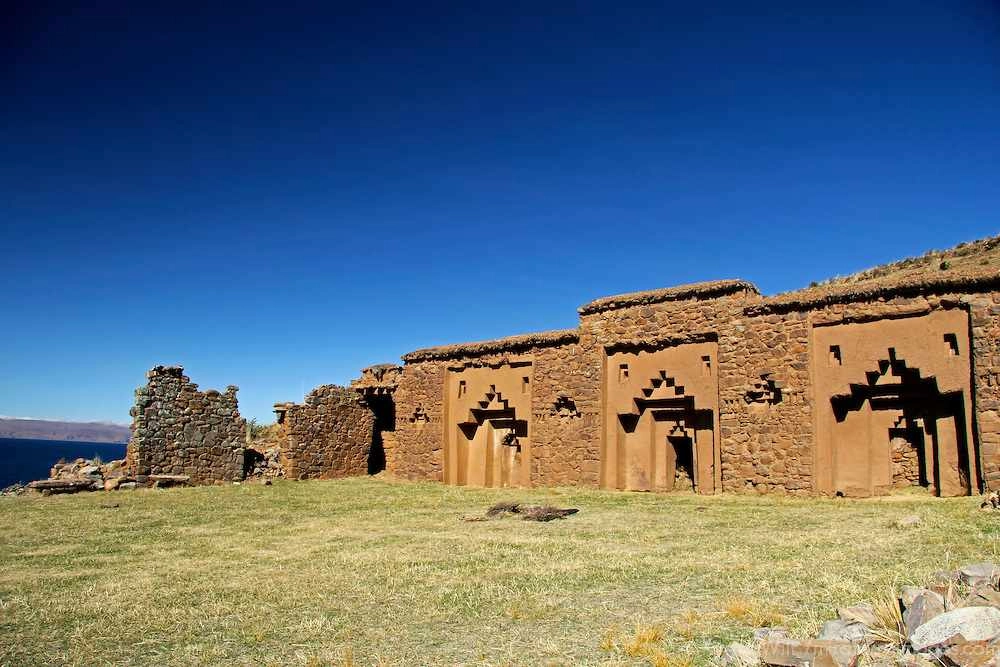
Bolivia is a land of profound contrasts, where geography has shaped the development of its peoples and cultures. From the Andean highlands to temperate valleys and the Amazon, its lands support a rich agricultural production that includes potatoes, quinoa, corn, coffee, and cacao. Today, tourism has become one of the country’s most dynamic economic drivers, fueled by its extraordinary archaeological, colonial, and natural heritage.
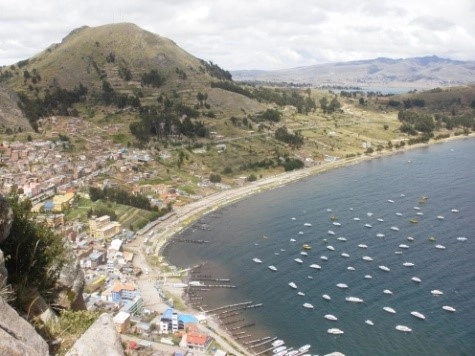
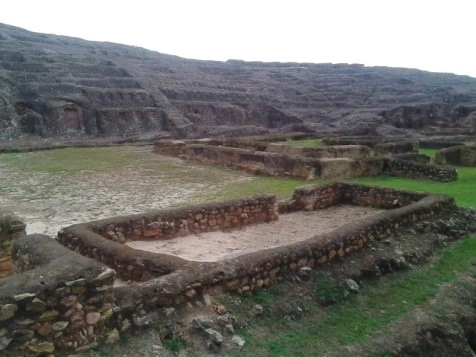
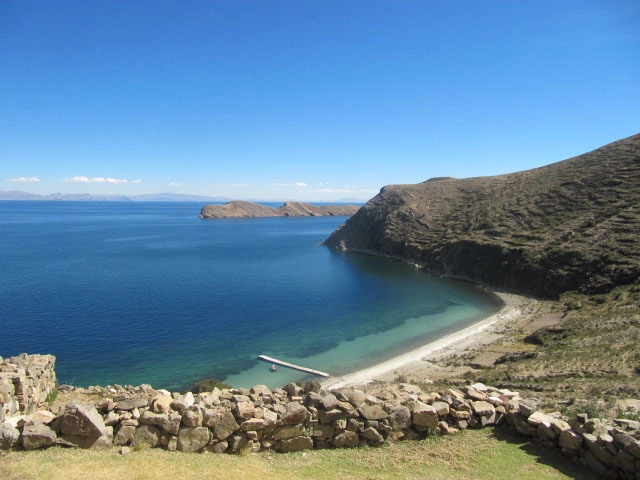
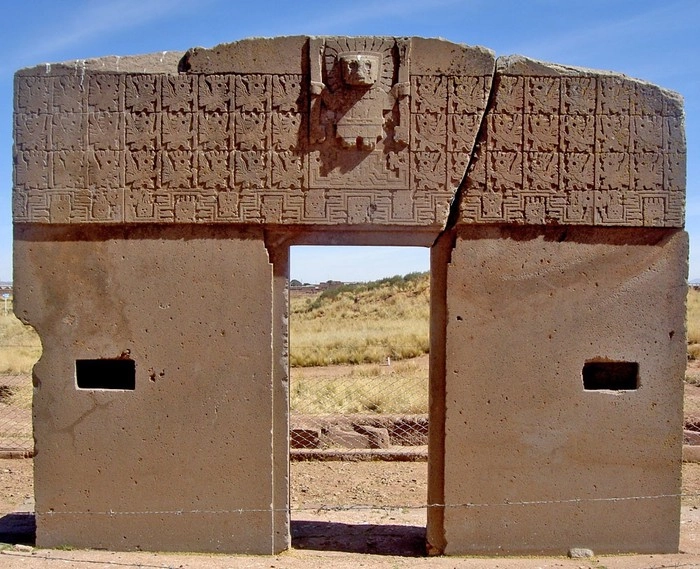
Among its most emblematic destinations is the city of La Paz, nestled among mountains at great altitude, and the mystical Lake Titicaca, cradle of ancient Andean traditions. Nearby lies the archaeological site of Tiwanaku, one of the most important ceremonial centers of pre-Columbian America, where stone monuments and temples reveal the advanced astronomical and architectural knowledge of its ancient inhabitants.
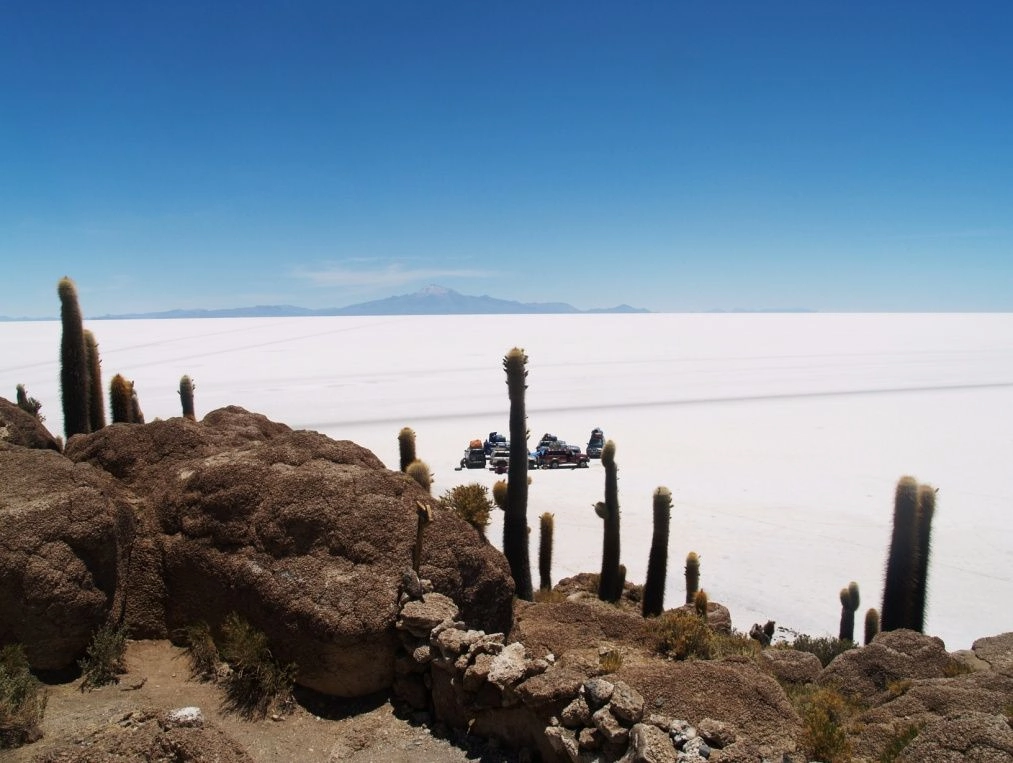
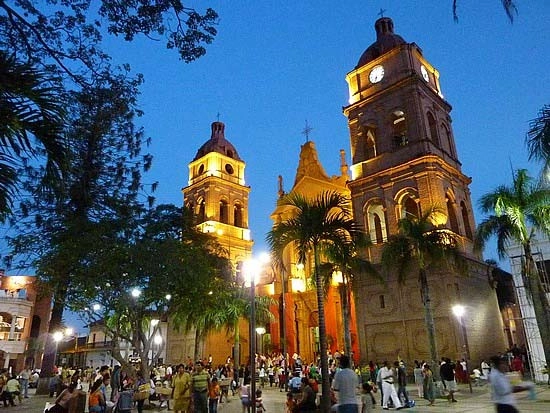
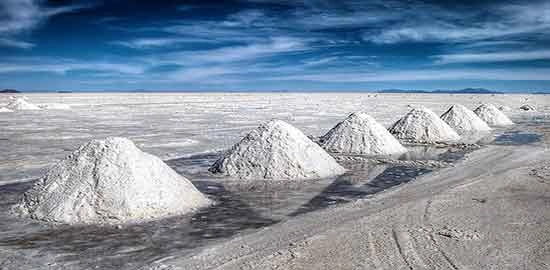
Bolivia also preserves stunning natural landscapes such as the Salar de Uyuni, the largest salt flat in the world, whose vast white surface creates one of the most extraordinary scenes on Earth. From the colonial period, architectural treasures remain in Sucre and Potosí, the latter famous for the historic Cerro Rico, symbol of the mineral wealth that shaped South America’s economic history.
Bolivia is undoubtedly a destination where indigenous heritage, colonial memory, and natural diversity coexist within a single landscape, offering visitors a profound and authentic cultural experience.